
Care & Maintenance
How to Care for a Vinyl Wrap in the Pacific Northwest
July 16, 2026
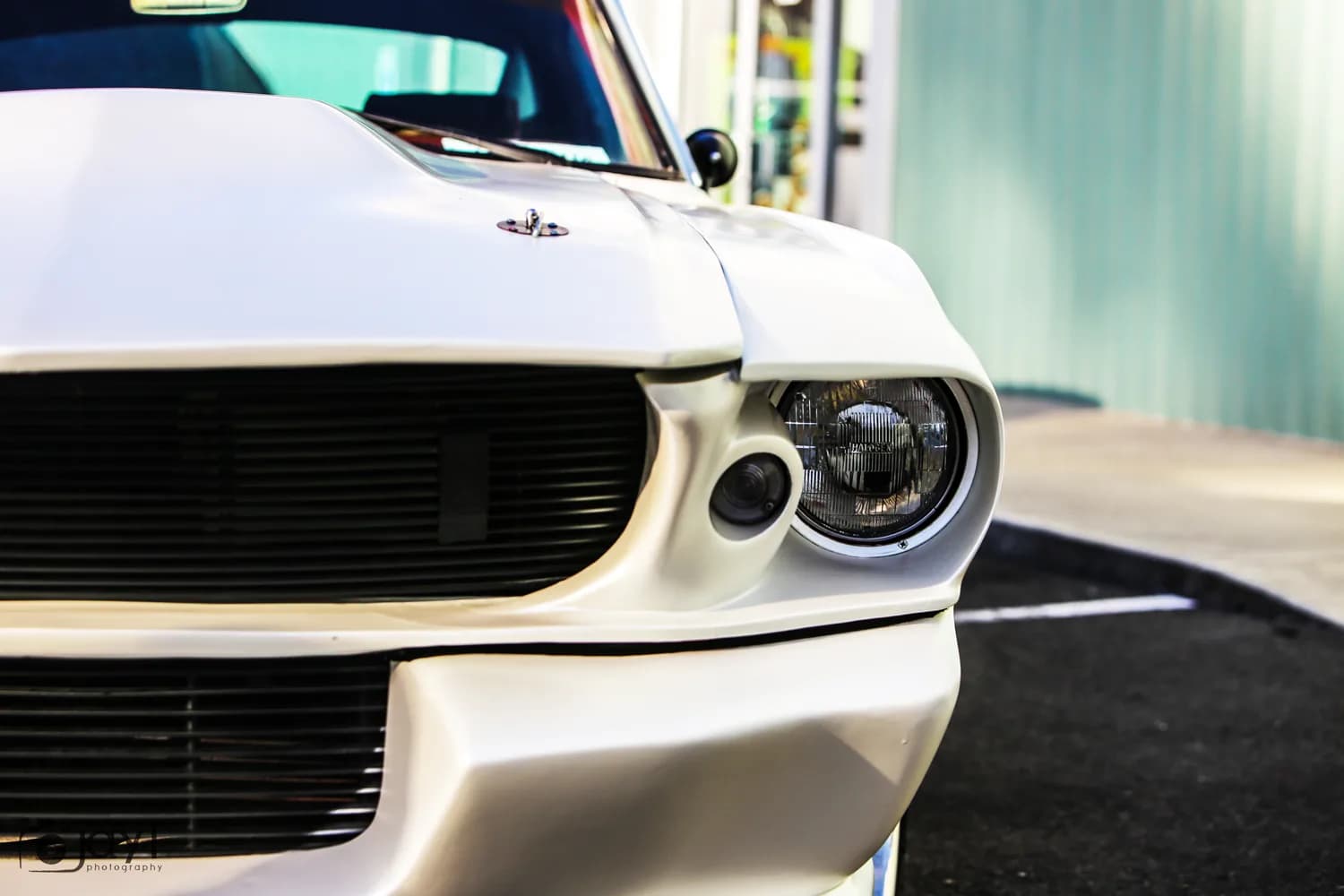
Wrap care advice is mostly written for dry, sunny places. Around Puget Sound the failure modes are different. Our problem is not baked-on UV so much as constant moisture, organic growth, and the grit and de-icer that coats everything from November onward.
Wash more often than you think you need to
Road film here is not just dirt. It is a mix of moisture, oil and winter road treatment that sits against the film and works its way toward the edges and seams. Letting it build up for a month between washes is the most common thing that shortens a wrap’s life locally.
Hand wash, two buckets, and dry it
- Use a pH-neutral car soap, not dish detergent, which strips and dries the film
- Two buckets so grit goes into the rinse bucket instead of back onto the panel
- A soft mitt, working top down, rinsing the mitt frequently
- Dry with a clean microfibre or filtered blower rather than letting it air dry
The drying step matters more here than most places. Our water leaves mineral spots, and on satin and matte film those spots are far harder to remove than on gloss, because you cannot simply polish them out.
Pressure washers: distance and angle
A pressure washer is fine with discipline. Stay about a foot back, keep a wide fan tip, and never aim into an edge or a seam. A narrow jet held close to a wrapped edge will lift film that would otherwise have lasted for years. Skip touchless automatic washes with high-pressure edge blasting for the same reason.
Moss, sap and bird droppings
A genuinely regional problem: park under trees here and you get sap, needles and organic growth. Bird droppings and sap are acidic and will etch film if left, especially on matte finishes. Remove them promptly with a wet microfibre laid on top to soften first, then lift rather than scrub.
What not to use
- Wax or polish on satin and matte film, which fills the texture and creates shiny patches you cannot undo
- Abrasive polishes or cutting compounds on any wrap
- Solvent-based cleaners, bug and tar removers, or degreasers on the film
- Automatic brush washes, which scuff the surface and catch on edges
Winter specifically
De-icer and salt brine are the harshest thing your wrap sees all year, and they collect in exactly the places you cannot see: lower rockers, wheel arches, behind the bumpers. Rinse the lower third of the vehicle regularly through winter even when the upper panels still look clean.
Storage
Garage-kept wraps last noticeably longer than street-parked ones. If you do not have covered parking, that is not a reason to skip a wrap, but it does mean the washing routine above matters considerably more.
See it on your own vehicle
Upload a photo and preview any color and finish, free.